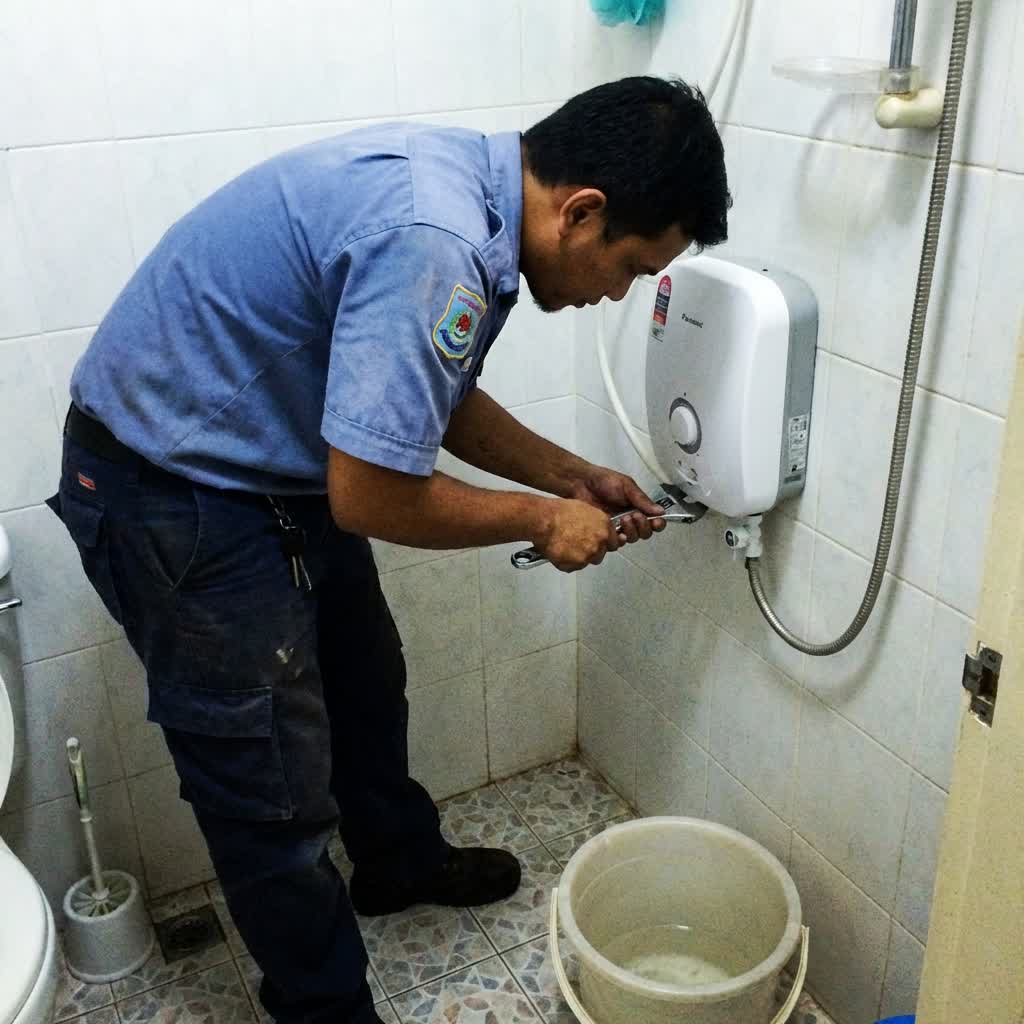
Your water heater is one of those appliances you probably don't think about until the day it stops working—and that's usually at the worst possible time, like right before your morning shower. In Malaysia's tropical climate, where we rely on hot water for comfortable showers year-round, keeping your water heater in good working condition isn't just a convenience—it's essential. But how often should you actually service your water heater? And what does a proper water heater service even involve?
In this guide, we'll break down everything Malaysian homeowners need to know about water heater maintenance, including recommended service intervals for different types of heaters, what happens during a professional servicing, and the warning signs that tell you it's time to call in a technician.
The Short Answer: Every 12 to 18 Months
General Rule of Thumb
Most water heaters in Malaysia should be professionally serviced once every 12 to 18 months. However, the exact frequency depends on your water heater type, water quality in your area, usage patterns, and the age of your unit.
If your home uses hard water—common in many parts of Selangor and Kuala Lumpur—you may need to service your water heater more frequently, as mineral buildup (limescale) accumulates faster and can damage internal components. On the other hand, if you have a newer unit with light usage, stretching to 18 months between services is generally fine.
Service Frequency by Water Heater Type
Not all water heaters are created equal, and different types have different maintenance needs. Here's a breakdown based on the most common types found in Malaysian homes. If you're unsure which type you have, our guide on instant vs storage water heaters can help you identify yours.
Instant (Tankless) Water Heaters
Instant water heaters are the most popular choice in Malaysian bathrooms. These compact units heat water on demand as it flows through, meaning there's no storage tank involved.
- Recommended service interval: Every 12 to 18 months
- Key maintenance tasks: Descaling the heating element, cleaning the inlet filter, checking the flow sensor, inspecting electrical connections
- Common issues without servicing: Reduced water temperature, inconsistent heating, low flow rate, tripping the ELCB
Instant heaters are generally low-maintenance, but the heating element is exposed directly to water flow, making it susceptible to limescale buildup. In areas with hard water, you might notice a gradual decline in heating performance—this is usually the first sign that servicing is overdue.
Storage Water Heaters
Storage water heaters (also called tank heaters) maintain a reservoir of hot water, typically ranging from 15 to 50 litres. These are common in Malaysian condominiums and larger homes where multiple bathrooms share a single unit.
- Recommended service interval: Every 12 months
- Key maintenance tasks: Flushing the tank to remove sediment, inspecting and replacing the anode rod, checking the thermostat and heating element, testing the pressure relief valve
- Common issues without servicing: Sediment buildup reducing capacity, rusty or discoloured water, strange popping or rumbling noises, tank corrosion leading to leaks
Storage heaters require more diligent maintenance than instant types because standing water accelerates sediment accumulation and corrosion. The sacrificial anode rod—a metal rod inside the tank designed to attract corrosive elements—typically needs replacement every 2 to 3 years, but this can only be assessed during a proper service.
Solar Water Heaters
Solar water heaters are increasingly popular in Malaysian homes, especially landed properties with good roof exposure. These systems use solar collectors to heat water stored in an insulated tank.
- Recommended service interval: Every 12 months
- Key maintenance tasks: Cleaning solar collector panels, checking the circulation pump, inspecting pipe insulation, flushing the storage tank, testing the backup electric element
- Common issues without servicing: Reduced heating efficiency from dirty panels, pump failure, pipe leaks from UV degradation, tank sediment
Why Water Heater Service Matters in Malaysia
Malaysia's unique conditions make regular water heater maintenance particularly important. Here's why:
Hard Water and Limescale
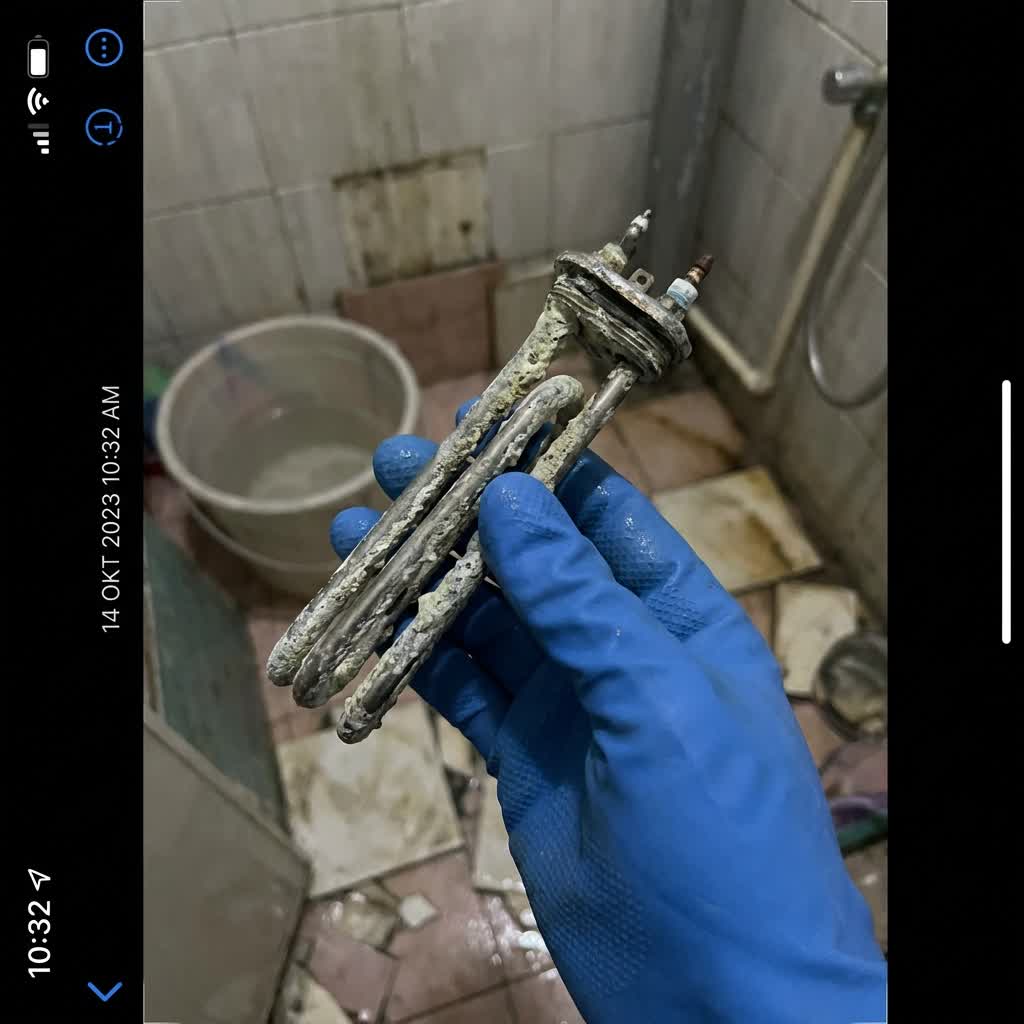
Many areas in Malaysia, particularly in the Klang Valley, have moderately hard water. When hard water is heated, dissolved minerals like calcium and magnesium solidify and form limescale deposits on the heating element and inside the tank. Over time, this insulating layer forces the element to work harder and consume more electricity to achieve the same water temperature.
A water heater element coated in just 2mm of limescale can use up to 30% more electricity. For a household running a storage heater daily, that's a noticeable increase in your TNB bill every month.
Tropical Humidity and Corrosion
Malaysia's high humidity accelerates corrosion of metal components, including electrical connections, mounting brackets, and tank interiors. Regular servicing identifies early signs of rust and corrosion before they lead to leaks or electrical faults.
Electrical Safety
Water heaters combine electricity and water—two things that demand respect when used together. A poorly maintained unit can develop earth leakage faults, loose wiring connections, or deteriorated insulation. Regular professional servicing includes electrical safety checks that protect your family from potential hazards.
💡 Did You Know?
A well-maintained water heater can last 8 to 12 years, while a neglected one may fail in as little as 3 to 5 years. Regular servicing doesn't just save on repair costs—it doubles the useful life of your unit.
What Happens During a Professional Water Heater Service
When you book a professional water heater service, here's what a thorough servicing typically includes:
1. Visual Inspection
The technician inspects the exterior of the unit for signs of leaks, rust, discolouration, or physical damage. They also check the mounting and ensure the unit is securely attached to the wall.
2. Electrical Testing
Using a multimeter, the technician tests the heating element's resistance, checks all wiring connections for tightness and corrosion, and verifies that the ELCB (Earth Leakage Circuit Breaker) is functioning correctly. This is arguably the most critical safety step.
3. Descaling and Cleaning
The heating element is removed and cleaned of limescale deposits. For storage heaters, the tank is flushed to remove sediment. This step alone can restore heating efficiency by 20-30% in units that haven't been serviced in a while.
4. Component Inspection
Key components are inspected and tested:
- Thermostat: Verified for accurate temperature control
- Flow sensor (instant heaters): Cleaned and tested for proper activation
- Pressure relief valve (storage heaters): Tested to ensure it opens at the correct pressure
- Anode rod (storage heaters): Inspected for depletion and replaced if necessary
- Inlet filter: Cleaned or replaced to maintain proper water flow
5. Reassembly and Testing
After servicing, the unit is reassembled, refilled, and tested to ensure proper operation. The technician runs the heater through a full cycle, checking water temperature, flow rate, and electrical draw.
Warning Signs Your Water Heater Needs Servicing Now
Don't wait for the scheduled service if you notice any of these warning signs that your water heater needs repair:
- Lukewarm water: The heater runs but doesn't reach the expected temperature
- Inconsistent temperature: Hot water comes and goes during a single shower
- Strange noises: Popping, crackling, or rumbling sounds from the unit
- Discoloured water: Rusty or brownish hot water when you first turn on the tap
- Visible leaks: Any dripping from the unit, connections, or pressure relief valve
- Higher electricity bills: A sudden unexplained increase in your TNB bill
- ELCB tripping: The earth leakage breaker trips when the heater is in use
- Foul smell: A sulphur or rotten egg smell in the hot water (indicates bacterial growth in the tank)
Emergency Situations
If you notice sparking, burning smells, or water pooling around electrical connections, turn off the power supply immediately at the DB box and contact a licensed electrician. Do not attempt to use or repair the unit yourself.
DIY Maintenance Between Professional Services
While professional servicing should be done by a qualified technician, there are a few things you can do between services to keep your water heater in good shape:
- Monthly: Visually inspect the unit for leaks or drips
- Every 3 months: Test the ELCB by pressing the test button to ensure it trips properly
- Every 6 months: Clean the inlet filter screen (for instant heaters—refer to your manual for instructions)
- As needed: Wipe down the exterior to prevent dust accumulation on ventilation openings
Important: Never attempt to open the unit, remove the element, or perform electrical work yourself unless you are a licensed electrician. Water heaters operate on 240V mains power, and improper handling can be fatal.
How Much Does Water Heater Servicing Cost in Malaysia?
Water heater service costs in Malaysia vary depending on the type of unit and the scope of work required:
- Basic servicing (instant heater): RM80 to RM150
- Full servicing (storage heater): RM150 to RM250
- Element replacement: RM120 to RM200 (parts) + RM80 to RM120 (labour)
- Anode rod replacement: RM80 to RM150 (parts + labour)
- Thermostat replacement: RM100 to RM180 (parts + labour)
- Solar heater servicing: RM200 to RM400
These costs are a fraction of what you'd pay for a full unit replacement (RM500 to RM2,000+ depending on type and brand). Regular servicing is always the more economical choice in the long run.
Creating a Water Heater Maintenance Schedule
Here's a simple maintenance schedule you can follow to keep your water heater running efficiently:
Recommended Maintenance Timeline
Monthly: Visual leak inspection, check for unusual sounds
Quarterly: Test ELCB, check water temperature consistency
Every 6 months: Clean inlet filter (instant heaters)
Annually: Professional servicing with element cleaning
Every 2-3 years: Anode rod inspection/replacement (storage heaters)
Every 5 years: Consider full component assessment for ageing units
Frequently Asked Questions
Can I service my water heater myself?
Basic maintenance like visual inspections, ELCB testing, and inlet filter cleaning can be done yourself. However, any work involving the heating element, electrical connections, or internal components should be done by a licensed electrician. Water heaters operate on 240V, and improper handling poses serious safety risks.
How do I know if my water heater element needs replacing?
Common signs include water not heating at all, taking significantly longer to heat, tripping the ELCB frequently, or visible corrosion on the element. During a professional service, the technician will test the element's resistance with a multimeter—a reading outside the normal range indicates it's time for replacement.
Does hard water really affect my water heater that much?
Yes, absolutely. Hard water is one of the biggest factors in water heater deterioration in Malaysia. Limescale buildup on the heating element reduces efficiency, increases electricity consumption, and can eventually cause element failure. Regular descaling during servicing mitigates these effects significantly.
Is it worth servicing an old water heater or should I just replace it?
If your water heater is less than 8 years old and the tank is structurally sound (no leaks or significant corrosion), servicing is almost always more cost-effective. For units over 10 years old with recurring issues, replacement may be the better investment. A qualified technician can advise you during the service appointment.
My water heater seems fine. Do I still need to service it?
Yes. Many water heater problems develop gradually and aren't obvious until they become serious (or expensive). Limescale buildup, corroding anode rods, and deteriorating electrical connections all happen silently. Preventive servicing catches these issues early, saving you money and preventing unexpected breakdowns.
Conclusion
Regular water heater service isn't just about avoiding cold showers—it's about safety, efficiency, and protecting your investment. For most Malaysian households, scheduling a professional water heater maintenance appointment once every 12 months is the sweet spot that balances cost with performance.
Whether you have a compact instant heater in your bathroom or a large storage unit serving multiple outlets, consistent maintenance ensures reliable hot water, lower electricity bills, and a unit that lasts well beyond its expected lifespan. Don't wait until something goes wrong—proactive servicing is always cheaper than emergency repairs.
If it's been more than a year since your last water heater service, or if you've noticed any of the warning signs mentioned above, it's time to book an appointment with a qualified technician.