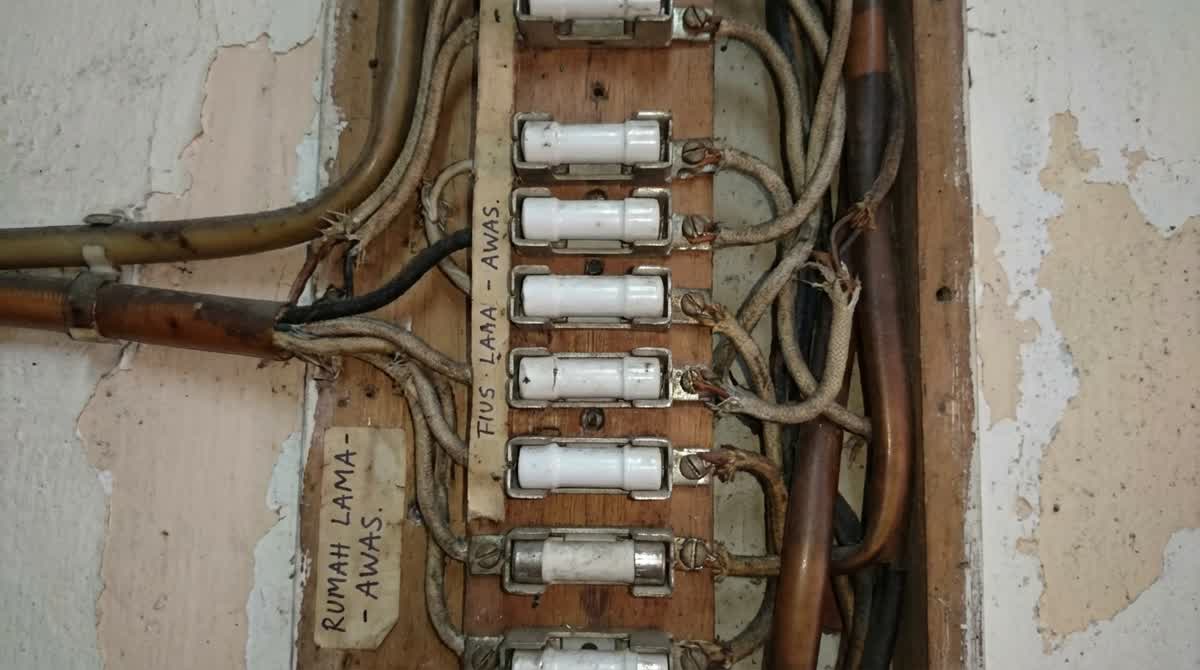
If your home in Malaysia is more than 20 years old, there's a good chance your electrical wiring may be outdated. Outdated wiring isn't just an inconvenience—it's a serious safety hazard that can lead to electrical fires, damage to your appliances, and even risk to your family's lives. But how exactly do you tell if your home's wiring has seen better days?
In this guide, we'll walk you through the most common warning signs of outdated wiring, explain why old wiring becomes dangerous over time, and help you understand when it's time for a home wiring upgrade. Whether you live in a terrace house in Petaling Jaya, a bungalow in Shah Alam, or a semi-D in Kajang, these signs apply to homes across Malaysia.
Why Does Home Wiring Become Outdated?
Before we dive into the signs, it's helpful to understand why wiring deteriorates in the first place. Electrical wiring in Malaysian homes typically has a lifespan of 25 to 30 years. Over time, the insulation around copper wires degrades due to heat, humidity (something we have plenty of in Malaysia), and general wear. The tropical climate accelerates this process significantly compared to cooler countries.
Additionally, homes built in the 1980s and 1990s were designed for a very different electrical load. Back then, a typical Malaysian household might have had a TV, a few fans, a refrigerator, and some lights. Today, we're running air conditioners in every room, multiple computers, washing machines, electric water heaters, induction cookers, and charging stations for phones and laptops. Your old wiring simply wasn't designed to handle this kind of demand.
1. Your Home Is More Than 25 Years Old
Age Is the First Indicator
If your home was built before the year 2000 and has never had its wiring replaced, it's almost certainly due for an inspection. Even if everything seems to be working fine on the surface, the insulation on internal wiring could be crumbling behind your walls.
Many older Malaysian terrace houses and kampung-style homes still run on their original wiring from the 1970s or 1980s. Some of these homes may even have aluminium wiring instead of copper, which poses additional fire risks due to aluminium's tendency to oxidize and create loose connections over time.
If you've recently purchased a subsale property, don't assume the previous owner took care of the electrics. Always get a professional inspection done before moving in.
2. Circuit Breakers Trip Frequently
Constant Tripping = Overloaded Circuits
If you find yourself walking to the DB box to reset a tripped breaker more than once a month, your wiring is telling you something. Frequent tripping usually means the circuits are overloaded or the wiring can no longer safely carry the current.
Modern Malaysian homes typically require a minimum 60A three-phase supply from TNB to handle today's electrical demands. Many older homes were wired with single-phase 30A or 40A supplies, which simply isn't enough anymore. When you turn on the air-con, the washing machine, and the electric kettle at the same time, something has to give.
Frequent tripping can also indicate deteriorating wire insulation that's causing short circuits—a much more dangerous situation that requires immediate attention.
3. Flickering or Dimming Lights
Inconsistent Power Supply
Lights that flicker, dim unexpectedly, or brighten when other appliances are switched on are a classic sign of outdated wiring. This typically indicates loose connections, undersized wiring, or circuits that are shared between too many outlets and fixtures.
While a single flickering light might just mean a loose bulb, if you notice flickering across multiple rooms or lights that dim when your air-con kicks in, the problem is almost certainly in the wiring itself. Loose connections in old wiring can create electrical arcing—tiny sparks that generate intense heat and are one of the leading causes of electrical fires in Malaysian homes.
4. Discoloured or Warm Switch Plates and Outlets
Heat Where It Shouldn't Be
Touch your switch plates and power outlets. If any of them feel warm to the touch, or if you notice brown or yellow discolouration around them, you've got a serious problem. Heat buildup in switches and outlets indicates poor connections, overloaded circuits, or deteriorating wiring behind the wall.
In severe cases, you might even notice a slight burning smell near outlets or switches. This is an emergency situation—turn off the circuit immediately and call a licensed electrician. Discoloured outlets are not cosmetic issues; they're warning signs that a fire could start behind your wall at any time.
5. Burning Smell or Unusual Odours
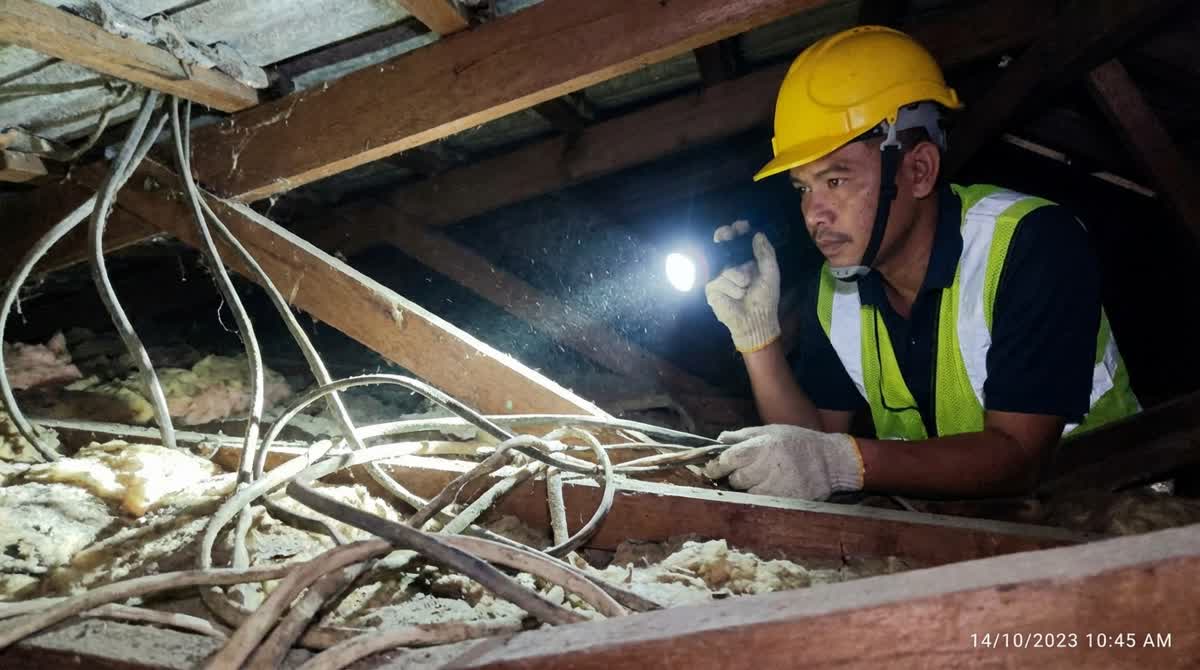
If you detect a persistent burning or acrid smell that you can't trace to any appliance, it could be coming from overheating wiring inside your walls or ceiling. This is particularly common in older Malaysian homes where wiring runs through the roof space, which can reach temperatures above 50°C during the afternoon.
The combination of extreme heat in the roof space and degraded insulation creates a perfect recipe for disaster. If you smell anything unusual near your DB box, switches, or outlets, treat it as urgent and get a professional inspection done immediately.
6. You Still Have a Fuse Box Instead of a Circuit Breaker Panel
Fuse Boxes Are Outdated Technology
If your home still uses a fuse box with rewirable fuses (the ones with the little wire you replace when it blows), your electrical system is seriously outdated. Modern homes use MCB (Miniature Circuit Breaker) and RCCB/ELCB (Earth Leakage) protection, which is far safer and more reliable.
Fuse boxes were standard in Malaysian homes built before the mid-1990s. The problem with rewirable fuses is that homeowners often replace blown fuses with the wrong rated wire—or worse, with copper wire that's too thick, which defeats the entire purpose of overcurrent protection. A modern MCB panel with RCCB protection is essential for safety and is required by current Malaysian electrical regulations (MS IEC 60364).
7. Two-Pin Outlets Without Earth Connection
Walk around your home and check your power outlets. If you see old-style two-pin sockets (without the earth pin slot), your wiring system lacks proper earthing. Earthing is a critical safety feature that directs stray electrical current safely to the ground, protecting you from electric shock.
All modern Malaysian homes are required to have three-pin BS 1363 sockets with proper earth connections. If your home still has two-pin outlets, the entire wiring system likely predates current safety standards and needs a comprehensive upgrade.
8. You Rely Heavily on Extension Cords and Adapters
Not Enough Outlets = Outdated Design
If every room in your home has extension cords running across the floor and multi-plug adapters stacked on top of each other, your home doesn't have enough power points for modern living. This is a strong indicator that the original wiring was designed for a much simpler electrical setup.
Overloading extension cords is one of the most common causes of electrical fires in Malaysia. Each extension cord adds resistance and heat to the circuit. When you chain multiple adapters together (something Malaysians fondly call "octopus wiring"), you're creating a serious fire risk. A proper home wiring upgrade would include additional power points where you actually need them, eliminating the need for dangerous workarounds.
9. Buzzing Sounds From Outlets or Switches
Electrical outlets and switches should operate silently. If you hear buzzing, crackling, or sizzling sounds coming from any electrical point, it usually means there's arcing happening inside—electrical current jumping across a gap in a loose or damaged connection. This is extremely dangerous and needs immediate professional attention.
Buzzing sounds are often accompanied by the other signs on this list, such as warm outlets and flickering lights. If you experience any combination of these symptoms, it's time to take action.
10. Your TNB Bill Is Unusually High
While rising electricity costs are normal in Malaysia, a sudden or unexplained spike in your TNB bill could indicate that your wiring is losing energy through resistance, poor connections, or even current leakage. Deteriorating insulation can cause small amounts of current to "leak" through the wiring, which adds up on your monthly bill and also poses a shock hazard.
If your electricity usage habits haven't changed but your TNB bill keeps climbing, it's worth having your wiring inspected by a qualified electrician.
What Should You Do If You Spot These Signs?
If you've identified one or more of these warning signs in your home, here's what we recommend:
- Don't panic, but don't ignore it either. Outdated wiring doesn't mean your house will catch fire tomorrow, but the risk increases every day you wait.
- Schedule a professional electrical inspection. A licensed electrician can assess the condition of your wiring, test insulation resistance, check earthing, and identify specific problem areas. You can use our electrical safety inspection checklist as a starting reference.
- Get a rewiring quote. Full rewiring for a typical Malaysian terrace house ranges from RM5,000 to RM15,000 depending on the size and complexity. It's a significant investment, but far cheaper than dealing with fire damage or electrical injuries.
- Prioritize critical areas. If a full rewire isn't in your budget right away, prioritize high-risk areas: the kitchen, bathrooms, and any rooms with heavy electrical loads like air-conditioning.
- Upgrade your DB panel. Even if you can't rewire the entire house immediately, upgrading from a fuse box to a modern MCB/RCCB panel provides an essential layer of safety.
💡 Did You Know?
According to the Malaysian Fire and Rescue Department (Bomba), electrical faults are consistently among the top three causes of house fires in Malaysia. Many of these fires are traced back to outdated wiring, overloaded circuits, and improper electrical installations. A professional rewiring could literally save your home and your family.
How Often Should You Inspect Your Home Wiring?
As a general guideline for Malaysian homeowners:
- Homes under 10 years old: Inspect every 10 years
- Homes 10-25 years old: Inspect every 5 years
- Homes over 25 years old: Inspect every 2-3 years, or immediately if you haven't had one done
- After any renovation: Always inspect after major renovation work, especially if walls were opened or new circuits were added
- When purchasing a subsale property: Always get an inspection before completing the purchase
Frequently Asked Questions
How much does it cost to rewire a house in Malaysia?
The cost of rewiring depends on the size of your home and the complexity of the job. For a standard double-storey terrace house, expect to pay between RM5,000 and RM15,000. This typically includes new wiring, a modern DB panel with MCB/RCCB protection, new power points, and labour. Larger homes or those requiring extensive work may cost more. Always get at least two or three quotes from licensed electricians.
Can I still live in my home during rewiring?
In most cases, yes. A skilled electrical team will work room by room, ensuring you always have power in at least part of the house. However, there will be periods when the main supply needs to be switched off. Most rewiring jobs for terrace houses take 3 to 5 days to complete.
Do I need to hack my walls for rewiring?
Not necessarily. Modern rewiring techniques can often run new cables through existing conduits or use surface-mounted trunking for a clean finish. However, if your home has very old wiring without conduits, some chasing (cutting channels into walls) may be required. Your electrician will advise on the best approach for your specific situation.
Is outdated wiring covered by home insurance?
Most home insurance policies in Malaysia do not cover damage caused by neglected maintenance, which includes outdated wiring. In fact, some insurers may reduce or deny claims if an investigation reveals that the fire was caused by wiring that should have been replaced. Keeping your wiring up to date is both a safety measure and a financial protection.
How do I check if my electrician is licensed?
In Malaysia, electricians must be registered with the Suruhanjaya Tenaga (Energy Commission). Ask to see their wireman's licence (Pendawai Elektrik) before hiring. Licensed electricians carry a competency card issued by the Energy Commission, and their work must comply with Malaysian Standards (MS IEC 60364). Never hire unlicensed electricians for wiring work—it's illegal and dangerous.
Conclusion
Outdated wiring is one of those problems that's easy to ignore because it's hidden behind walls and ceilings. But the signs are there if you know what to look for—frequent breaker trips, flickering lights, warm outlets, burning smells, old fuse boxes, and an over-reliance on extension cords. Any one of these signs warrants a professional inspection, and a combination of them means it's time for a serious conversation about a home wiring upgrade.
Your home's electrical system is its circulatory system. When it's healthy, everything runs smoothly. When it's compromised, the consequences can be devastating. Don't wait for a problem to become an emergency. If your home is showing any of the signs we've discussed, take action today—your family's safety depends on it.