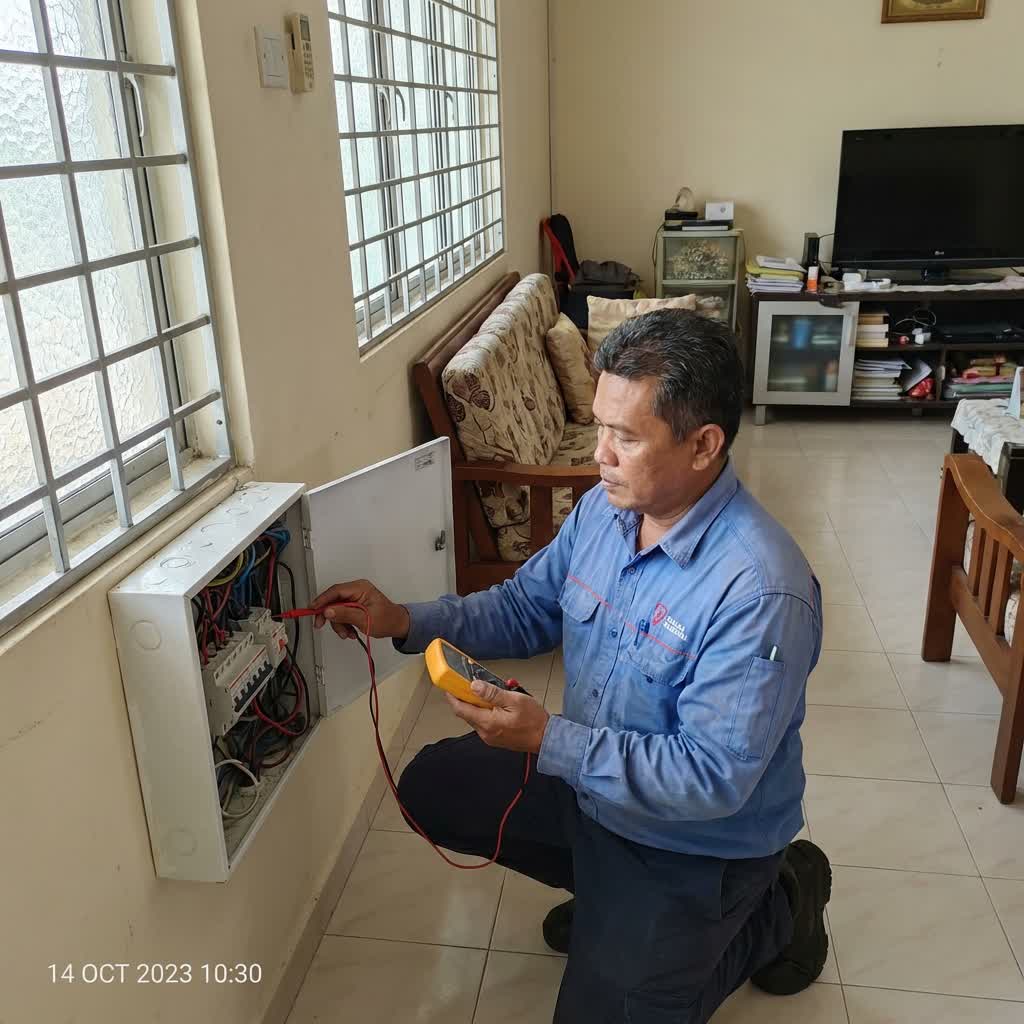
When was the last time you had your home's electrical system professionally inspected? For most Malaysian homeowners, the answer is "never" — until something goes wrong. But electrical safety inspections are one of the most important preventive measures you can take to protect your family and property.
A comprehensive electrical safety inspection examines every aspect of your home's electrical system, from the main incoming supply to the last power socket. Here's exactly what a licensed electrician looks for when they conduct a home electrical check.
The Main Distribution Board (DB Box)
The DB box is the heart of your home's electrical system. During an inspection, the electrician will:
- Check the condition of the DB box casing — Look for cracks, burn marks, or signs of overheating that could indicate internal problems
- Test all MCBs (Miniature Circuit Breakers) — Verify they trip correctly and are appropriately rated for the circuits they protect
- Inspect the ELCB/RCD — Test the earth leakage circuit breaker to ensure it trips within the required time (typically under 30 milliseconds) when a fault is detected
- Check for proper labeling — Ensure each circuit is clearly marked so future maintenance is straightforward
- Look for corrosion or moisture — DB boxes in humid Malaysian climates are prone to condensation issues
Wiring Condition and Routing
The condition of your home's wiring tells a story about its safety. Electricians examine:
- Cable insulation integrity — Old or damaged insulation can expose live wires, creating shock and fire hazards
- Proper cable sizing — Undersized cables overheat when carrying high loads, especially common in older homes with modern appliances
- Cable routing — Wires should be properly secured, away from heat sources, and protected from physical damage
- Connection points — Junction boxes, terminals, and splices are checked for looseness, corrosion, or signs of overheating
- Conduit condition — PVC conduits should be intact without cracks; metal conduits need proper grounding
Did you know? Homes built before 1990 in Malaysia may still have aluminum wiring, which expands and contracts more than copper and can loosen at connection points over time. A safety inspection can identify this potential hazard.
Earthing System
Proper earthing is critical for safety. The electrician will verify:
- Earth electrode resistance — Using an earth resistance tester to confirm the reading is below the required threshold (typically less than 10 ohms for residential properties)
- Bonding connections — Check that metal pipes, water tanks, and structural steel are properly bonded to the earthing system
- Continuity testing — Verify that all sockets with earth pins actually have a continuous path back to the earth electrode
- Lightning protection — If present, ensure the lightning arrestor system is properly connected to earth
Power Sockets and Switches
Every outlet and switch in your home gets individual attention:
- Physical condition — Cracked faceplates, loose fittings, or burn marks around sockets are red flags
- Secure mounting — Boxes should be firmly attached to walls, not wobbling when plugs are inserted
- Correct wiring — Using a socket tester to confirm live, neutral, and earth are connected properly (reversed polarity is dangerous)
- Load testing — Some inspections include testing circuits under load to identify voltage drop issues
- Child safety — Check for shuttered sockets in homes with young children
Lighting Circuits
Lighting inspections cover:
- Switch functionality — All switches should operate smoothly without sparking or arcing sounds
- Ceiling rose and batten holder condition — These common failure points are checked for heat damage
- Downlight clearances — Recessed lights need adequate space around them to prevent overheating and fire risk
- Transformer and driver condition — For LED and low-voltage lighting, drivers are checked for overheating
Major Appliances and Fixed Equipment
The inspection includes connections to:
- Air conditioning units — Check isolator switches, dedicated circuits, and condensate pump connections
- Water heaters — Verify proper earthing, correct cable sizing, and that the pull-cord switch is accessible
- Electric stoves and ovens — Check terminal connections and that the circuit breaker is correctly rated
- Three-phase equipment — For homes with three-phase supply, check phase balancing and rotation
External and Outdoor Electrics
Outdoor electrical safety is especially important in Malaysia's tropical climate:
- Weatherproofing — All outdoor sockets and switches should have appropriate IP ratings for their location
- Garage and car porch circuits — Check for proper protection and that outdoor cables are UV-resistant
- Garden lighting — Verify low-voltage transformers are properly rated and protected from moisture
- Gate motor wiring — Check for rodent damage and proper grounding of automatic gate systems
Frequency recommendation: For homes over 20 years old, schedule an electrical inspection every 3-5 years. Newer homes should be inspected every 5-10 years, or immediately if you notice any warning signs like frequent breaker trips, burning smells, or flickering lights.
What Happens After the Inspection?
After completing the inspection, your electrician will provide a detailed report that includes:
- A summary of findings with photos of any issues
- Categorization of problems by severity (immediate danger, potential hazard, recommended improvement)
- A quotation for any necessary remedial work
- A certificate of inspection for your records
Any issues classified as "immediate danger" must be addressed before the power can be safely reconnected. These typically include exposed live conductors, failed earthing, or dangerous DIY modifications.
Frequently Asked Questions
How long does an electrical safety inspection take?
A thorough inspection of a typical 3-4 bedroom terrace house takes 2-4 hours, depending on the age of the installation and accessibility of wiring.
How much does a home electrical inspection cost in Malaysia?
Prices typically range from RM200-500 for a standard residential inspection, depending on property size and location. This is a small investment compared to the potential cost of electrical fires or replacing damaged appliances.
Will the power need to be turned off during inspection?
Yes, portions of the power will need to be turned off at various stages to safely test circuits and equipment. A good electrician will coordinate with you to minimize disruption.
Can I do my own electrical inspection?
While you can perform basic visual checks, a proper safety inspection requires specialized testing equipment and expertise. Always hire a licensed electrician for a comprehensive assessment.
What are the warning signs that I need an inspection urgently?
Contact an electrician immediately if you notice: burning smells from sockets or switches, frequent breaker trips, buzzing sounds from the DB box, flickering lights, or mild shocks when touching appliances.
Book Your Electrical Safety Inspection
Don't wait for problems to appear. Our licensed electricians provide thorough safety inspections for homes across the Klang Valley, with detailed reports and upfront pricing.
Get Free Quote via WhatsApp