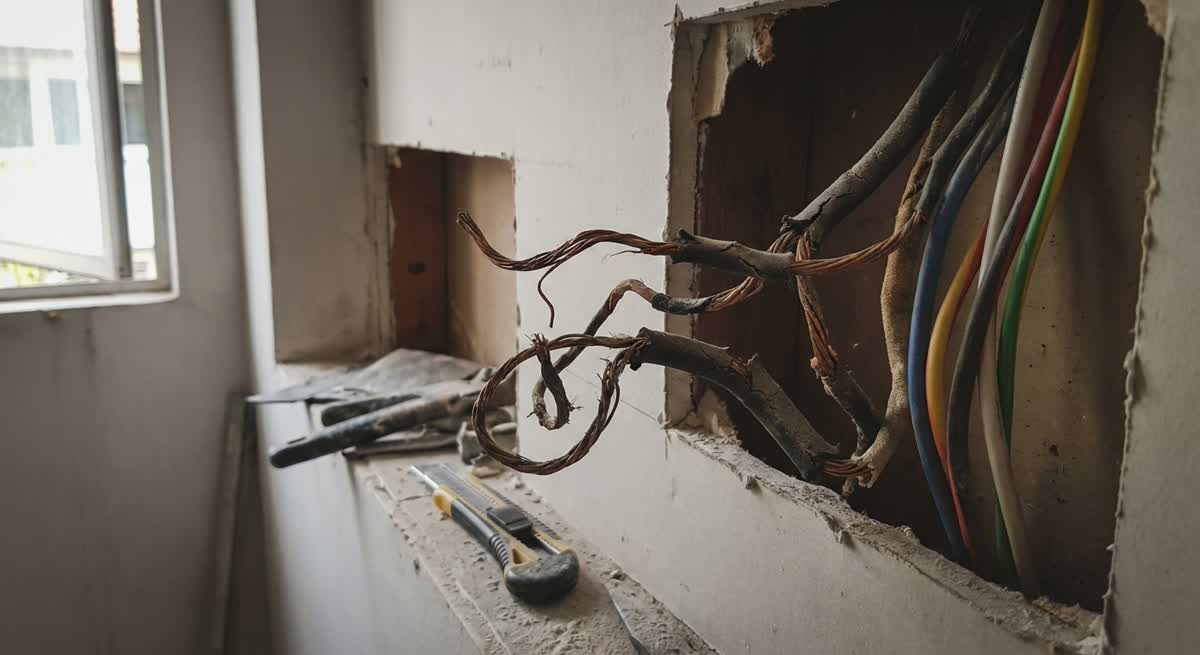
Every Malaysian homeowner relies on the electrical wiring hidden behind their walls, yet few stop to think about how long that wiring actually lasts. Whether you're living in a 1980s terrace house in Petaling Jaya, a modern condo in Mont Kiara, or a heritage shophouse in Georgetown, the electrical wiring lifespan is something that directly affects your family's safety—and your TNB bills.
Understanding how long wiring lasts isn't just academic curiosity. Ageing wiring is one of the leading causes of electrical fires in Malaysian homes. In this comprehensive guide, we'll break down everything you need to know about your home's electrical wiring lifespan, what factors affect it, and when it's time to consider wiring replacement.
How Long Does Home Electrical Wiring Last?
The short answer: most home electrical wiring is designed to last between 25 to 40 years, depending on the type of wiring, installation quality, and environmental conditions. However, "designed to last" and "safe to use" aren't always the same thing.
Quick Reference: Wiring Lifespan by Type
PVC-insulated copper wiring (modern standard): 25–40 years
XLPE-insulated cables: 30–40 years
Rubber-insulated wiring (pre-1980s): 15–25 years
Aluminium wiring (rare in Malaysia): 20–30 years, but higher fire risk
In Malaysia, the majority of homes built from the 1990s onward use PVC-insulated copper cables, which are the current standard. If your home was built before the 1980s, there's a reasonable chance the original wiring uses older rubber insulation—which degrades much faster, especially in our tropical heat and humidity.
What Affects How Long Wiring Lasts?
Several factors determine whether your wiring will last closer to 25 years or push past 40. Understanding these can help you assess your own home's situation.
1. Malaysia's Tropical Climate
Our hot, humid weather is one of the biggest enemies of electrical wiring. Temperatures inside roof spaces and wall cavities can exceed 50°C during the afternoon, accelerating insulation breakdown. High humidity promotes condensation, which can cause corrosion on connections and terminals over time. Homes in coastal areas like Port Dickson or Penang may experience even faster degradation due to salt air.
2. Electrical Load and Usage Patterns
Malaysian homes today use far more electricity than they did 20 or 30 years ago. When your terrace house was built in 1995, the wiring was sized for a few ceiling fans, a TV, and maybe one air conditioner. Today, that same home might have three air-conditioning units, an induction cooker, an EV charger, multiple computers, and a home entertainment system.
Consistently running wiring close to its maximum capacity generates heat, which accelerates insulation ageing. This is one of the most common reasons why wiring in Malaysian homes fails earlier than expected.
3. Installation Quality
Wiring installed by qualified, licensed electricians following proper standards (MS IEC 60364) will last significantly longer than quick, budget installations. Poor workmanship—loose connections, improper cable bends, missing conduit protection—creates hotspots and weak points that degrade over time.
4. Pest Damage
This one is particularly relevant to Malaysian homes. Rats and squirrels are notorious for gnawing through cable insulation, especially in roof spaces and false ceilings. Termites can also damage cable conduits and protective sheathing. Regular pest control isn't just about protecting your furniture—it protects your wiring too.
5. Voltage Fluctuations
While TNB's supply is generally stable, areas prone to voltage fluctuations or power surges (especially during thunderstorm season) can experience accelerated wiring stress. Homes without proper surge protection are particularly vulnerable.
Types of Wiring Found in Malaysian Homes
Knowing what type of wiring your home has helps you estimate its remaining lifespan and urgency for replacement.
PVC-Insulated Copper Cables (1990s–Present)
This is the modern standard used in virtually all new Malaysian homes and renovations. PVC (polyvinyl chloride) insulation is durable, moisture-resistant, and affordable. When properly installed in conduit, these cables can reliably serve for 30 to 40 years. They're colour-coded (red/brown for live, blue for neutral, green-yellow for earth) and available in various sizes from 1.5mm² for lighting circuits to 4.0mm² or larger for high-power circuits.
Rubber-Insulated Wiring (Pre-1980s)
If your home was built before the 1980s and hasn't been rewired, there's a good chance the original rubber-insulated wiring is still in the walls. Rubber insulation becomes brittle and crumbles with age, especially in Malaysia's heat. This type of wiring is well past its expected lifespan and should be replaced as a matter of urgency. You can often identify it by its dark cloth braiding on the outer sheath.
XLPE Cables
Cross-linked polyethylene (XLPE) insulated cables are used in some higher-end installations and for underground or outdoor runs. They offer superior heat resistance and a longer lifespan of 30 to 40 years. You'll find these more commonly in commercial buildings and newer premium residential developments.
Warning Signs Your Wiring Needs Attention
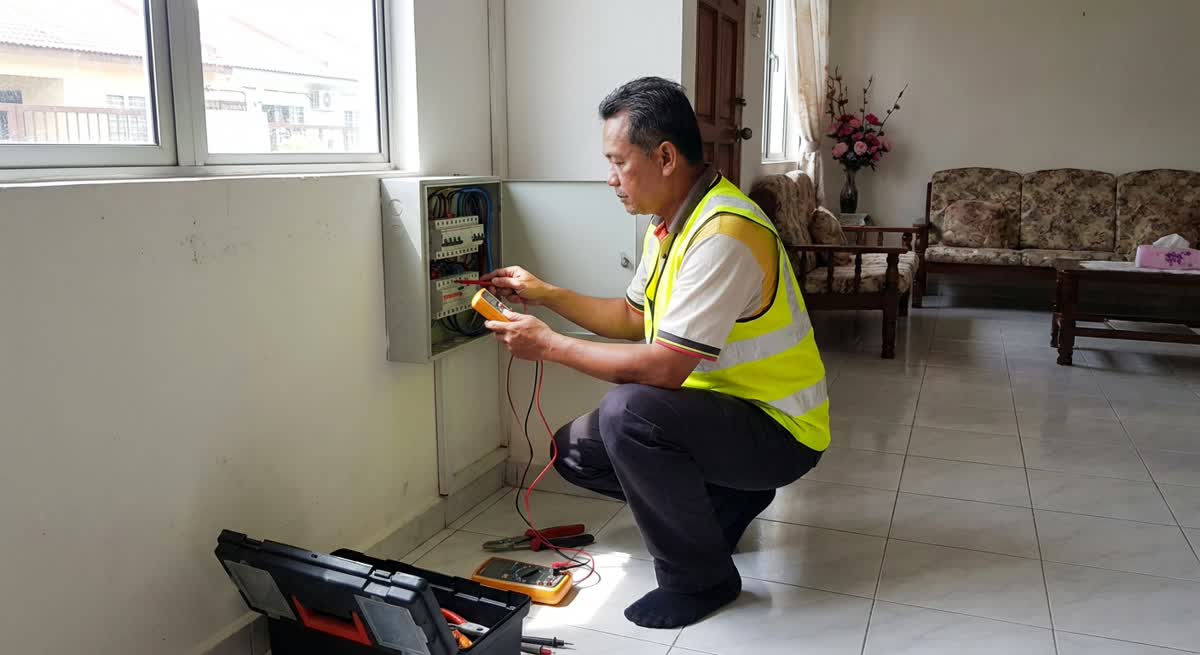
Wiring doesn't typically fail all at once—it gives you warning signs. Recognising these early can prevent dangerous situations. If you notice any of the following, it's worth having a professional electrical wiring inspection done:
- Frequent circuit breaker tripping: If your MCB or RCCB trips regularly without obvious overload, the wiring insulation may be breaking down
- Flickering or dimming lights: Especially when appliances switch on, this can indicate undersized or deteriorating wiring
- Discoloured or warm switch plates: Heat around switches or power points suggests loose connections or overloaded circuits
- Burning smell with no visible source: This is an emergency sign—overheating insulation produces a distinctive acrid smell
- Buzzing sounds from outlets or switches: Electrical arcing from loose or corroded connections
- Sparks when plugging in appliances: Brief sparks can be normal, but repeated visible sparking indicates a problem
- Two-pin sockets without earth: A sure sign of outdated wiring that predates modern safety standards
For a more detailed checklist, read our guide on signs of outdated home wiring.
💡 Pro Tip: The 25-Year Rule
As a general guideline, any home over 25 years old should have a professional wiring inspection, even if no obvious problems are present. Think of it like a medical check-up—catching issues early is always cheaper and safer than dealing with emergencies.
When Should You Replace Your Home's Wiring?
Wiring replacement (rewiring) is one of the most significant electrical investments a homeowner can make, but it's not always necessary. Here are the situations where rewiring is strongly recommended:
Definite Rewiring Needed
- Home is over 30 years old with original wiring
- Rubber-insulated or cloth-wrapped wiring is present
- Wiring has no earth (ground) conductor
- Fuse box instead of modern MCB/RCCB panel
- Evidence of fire damage or melted insulation
- Major renovation that opens up walls anyway
Consider Rewiring
- Home is 20–30 years old with increasing electrical issues
- Planning to add significant new loads (EV charger, multiple air-cons)
- Insurance company requires updated wiring
- Preparing the home for sale (adds significant value)
Probably Fine for Now
- Home is under 20 years old with no issues
- Wiring was professionally installed with proper standards
- Regular maintenance and inspections show no problems
- Electrical load hasn't significantly increased
If you're unsure, our article on 5 signs you need to rewire your home can help you make the decision.
What Does Rewiring Cost in Malaysia?
Rewiring costs vary significantly based on home size, accessibility, and the scope of work. Here's a rough guide for Malaysian homeowners:
Typical Rewiring Costs (2026 Estimates)
Apartment/Condo (800–1,200 sq ft): RM3,000–RM6,000
Single-storey terrace (1,000–1,400 sq ft): RM5,000–RM10,000
Double-storey terrace (1,400–2,000 sq ft): RM8,000–RM15,000
Semi-D/Bungalow (2,000+ sq ft): RM12,000–RM25,000+
These figures include materials, labour, and a new DB (distribution board) with modern MCB/RCCB protection. Additional costs may apply for hacking and plastering if wiring needs to be concealed, or for upgrading your TNB supply if higher capacity is needed.
While these numbers might seem steep, consider that rewiring protects your family from electrical fires, reduces the risk of appliance damage from wiring faults, and can lower your home insurance premiums. It's also a one-time investment that lasts another 30+ years.
How to Extend Your Wiring's Lifespan
If your home's wiring is still within its expected lifespan, these steps can help maximise its useful life:
- Don't overload circuits: Spread high-power appliances across different circuits. Avoid daisy-chaining extension cords
- Install surge protection: A whole-house surge protector at your DB box guards against voltage spikes during storms
- Maintain your DB board: Have a licensed electrician tighten connections and check for signs of overheating every few years
- Control pests: Regular pest control prevents rodent damage to cables in roof spaces
- Upgrade incrementally: When adding high-power appliances, run dedicated circuits rather than loading existing ones
- Ensure proper ventilation: Good airflow in roof spaces reduces heat buildup around cables
Frequently Asked Questions
Can I check my wiring's condition myself?
You can look for visible warning signs like discoloured outlets, burning smells, or frequent tripping. However, a proper assessment requires a licensed electrician with insulation resistance testing equipment (megger test). This test measures the integrity of your wiring insulation and is the most reliable way to determine its condition.
Does rewiring require hacking walls?
Not always. In many Malaysian homes, wiring runs through PVC conduit in the walls, and new cables can be pulled through existing conduit without hacking. However, if the conduit is damaged or additional circuits are needed, some hacking may be required. Surface-mounted trunking is an alternative that avoids wall damage entirely.
Is old wiring covered by home insurance?
Most home insurance policies in Malaysia cover damage caused by electrical faults, but many insurers may refuse claims if the wiring is found to be outdated or improperly maintained. Some insurers offer premium discounts for homes with recently updated wiring and modern safety devices.
How long does a full rewiring take?
A typical single-storey terrace house can be rewired in 3 to 5 days. Double-storey homes may take 5 to 7 days. Larger bungalows or homes requiring extensive hacking and replastering can take up to 2 weeks. Most electricians can work while you remain in the home, completing one area at a time.
Do I need to upgrade my TNB supply when rewiring?
If your home currently has a single-phase 60A supply and you're planning to add high-power loads like EV charging or multiple air-conditioning units, upgrading to a higher capacity or three-phase supply may be recommended. Your electrician can advise based on your total calculated load.
Conclusion
Your home's electrical wiring is a silent workhorse—it powers everything you depend on daily, from your air-conditioning to your Wi-Fi router. But like all things, it has a finite lifespan. In Malaysia's demanding tropical environment, being proactive about wiring maintenance and replacement isn't just about convenience—it's about keeping your family safe.
If your home is approaching 25 years or older, or if you've noticed any of the warning signs discussed above, don't wait for a problem to become an emergency. A professional wiring inspection gives you peace of mind and a clear picture of where your home stands. And if rewiring is needed, it's an investment that pays for itself in safety, reliability, and property value for decades to come.