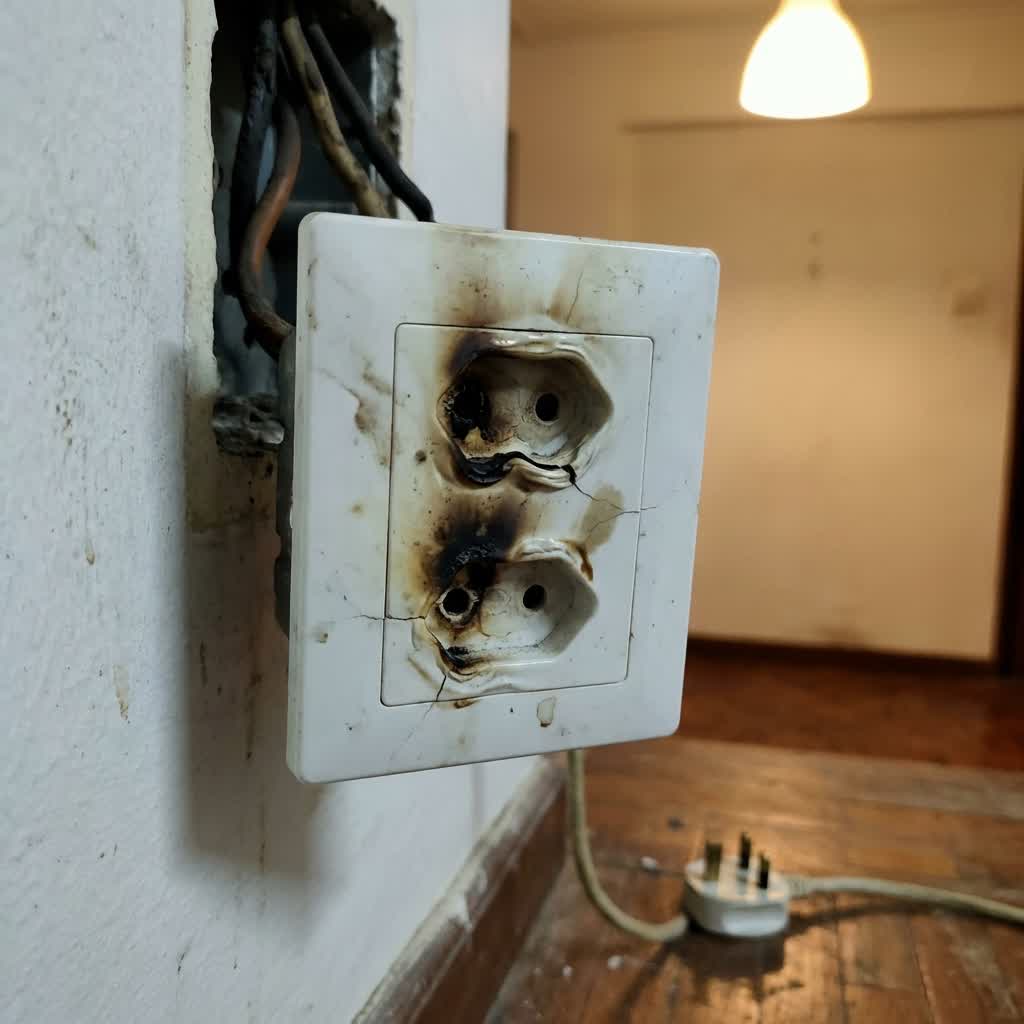
Power sockets are the unsung heroes of our daily lives, silently powering everything from smartphones to refrigerators. Yet, most homeowners rarely think about their electrical outlets until something goes wrong. In Malaysia's tropical climate, where humidity and frequent thunderstorms put extra strain on electrical systems, knowing when to replace a power socket can prevent dangerous situations and costly repairs.
If you're wondering whether your power socket installation might need attention, this guide will walk you through the warning signs that every homeowner should recognize.
Warning Signs Your Power Socket Needs Replacement
1. Visible Sparking When Plugging In
Occasional small sparks when plugging in appliances can be normal due to the sudden draw of electricity. However, if you notice large sparks, frequent sparking, or sparks that last more than a split second, this indicates a serious problem. Sparking sockets can lead to electrical fires and should be addressed immediately by a qualified electrician.
2. Discoloration or Burn Marks
Take a close look at your socket faceplates. Any yellowing, browning, or black marks around the outlet openings are clear indicators of overheating. These burn marks result from loose connections or overloaded circuits generating excessive heat. Even if the socket still works, the internal components may already be damaged.
3. Cracked or Broken Faceplates
Physical damage to the socket cover isn't just an aesthetic issue. Cracks can expose live electrical components, creating shock hazards. In humid Malaysian conditions, damaged faceplates also allow moisture to enter, increasing the risk of short circuits.
4. Loose Plugs That Fall Out
When plugs no longer fit snugly and constantly fall out of the socket, the internal contacts have worn down. This loose connection creates resistance, which generates heat and poses a fire risk. It's also incredibly frustrating trying to keep devices connected.
Warning
If you smell burning or see scorch marks around any power socket, turn off the circuit breaker immediately and call an emergency electrician. Do not continue using the socket—this is a fire hazard.
5. Burning Smell or Strange Odors
Any burning smell coming from an electrical outlet requires immediate attention. This odor typically indicates that plastic components, wiring insulation, or dust inside the socket is overheating. Turn off the circuit breaker immediately and call an electrician.
6. Buzzing or Crackling Sounds
Electrical outlets should operate silently. If you hear buzzing, crackling, or sizzling sounds, it usually means loose wiring or a failing connection. These sounds often accompany other warning signs like heat or sparking.
7. Socket Feels Hot to Touch
While it's normal for some appliances to generate warmth, the socket itself should never feel hot. If you touch the faceplate and it feels warm or hot, there's likely an overload or wiring problem that needs professional assessment.
Age Matters: How Old Is Your Wiring?
In older Malaysian homes, especially those built before the 1990s, electrical systems may not be designed to handle modern power demands. If your sockets are more than 15-20 years old, consider having them inspected even if they appear to be working fine. Aging wiring deteriorates internally, and outdated sockets may not meet current safety standards.
DIY vs Professional: When to Call an Electrician
While changing a simple faceplate might seem like a straightforward DIY task, socket replacement involves working with live electrical circuits. Incorrect installation can result in electrocution, fire hazards, or damage to your home's electrical system.
Always call a professional electrician if:
- You smell burning or see sparks
- The socket shows burn marks or melting
- Multiple sockets in your home show similar problems
- You're unsure about your home's wiring configuration
- You need to upgrade from two-pin to three-pin sockets
The Risks of Ignoring Socket Problems
Delaying socket replacement can have serious consequences. Electrical fires often start small and spread rapidly, especially in homes with wooden elements or stored flammable materials. In Malaysia, where many families use multiple high-powered appliances like air conditioners and water heaters, the risk of overloaded circuits is particularly high.
Beyond fire risks, faulty sockets can damage expensive electronics through power surges or inconsistent voltage supply. A simple socket replacement costs far less than replacing a damaged refrigerator or computer.
Real Project: Melted Socket Repair in Puchong
Recently, our team encountered a severe case of socket damage at a terrace house in Taman Puchong Utama. The homeowner noticed a burning smell coming from their living room socket, which had been powering a high-wattage air purifier continuously for months. Upon inspection, we discovered a melted socket with significant heat damage that could have easily started a fire.
This real-world example demonstrates why prompt action is crucial. What started as a loose connection gradually overheated, melting the plastic components and creating a serious safety hazard. Our emergency repair service replaced the damaged socket, inspected the circuit wiring, and installed a higher-rated outlet suitable for continuous appliance use.
Conclusion
Your power sockets work hard every day, and like any component in your home, they eventually wear out. By watching for these warning signs and addressing problems promptly, you protect your family, your property, and your appliances. When in doubt, consult a licensed electrician who can assess your specific situation and ensure your home's electrical system remains safe and reliable for years to come.
Remember, electrical safety is never worth compromising. If you notice any of the warning signs described above, don't wait—contact a professional electrician today.